Greece is burning for more than 48 hours. The wildfire has resulted in the loss of lives, which includes a plane crash that was fighting wildfires on the island of Evia. A fire brigade official informed that the fire affected around 10% of hotels in the southeast and central parts of the island. The evacuation process of tourists and residents by the sea is ongoing.
Rhodes has been the worst affected island of Greece, along with Evia, Athens, Aigio, and the island of Corfu (the most famous tourist destination in Greece), where emergency service providers are continuously engaged in fighting fire and providing rescue to people.
Prime Minister Kyriakos Mitsotakis said “We are at war” as the wildfire and intense heatwaves are burning the country. He warned of difficult days ahead and forced tourist evacuations, as Reuters reports.
The Civil Protection Ministry said Attica, the Peloponnese region, central Greece, western Greece, Thessaly, and some areas of central Macedonia are most at risk of fresh wildfires.
Greece has experienced the hottest July weekend in the past 50 years. In many parts, the temperature has exceeded up to 45 degrees Celsius.
Videos of terrible fires and black smoke are circulating online from many parts of Greece.
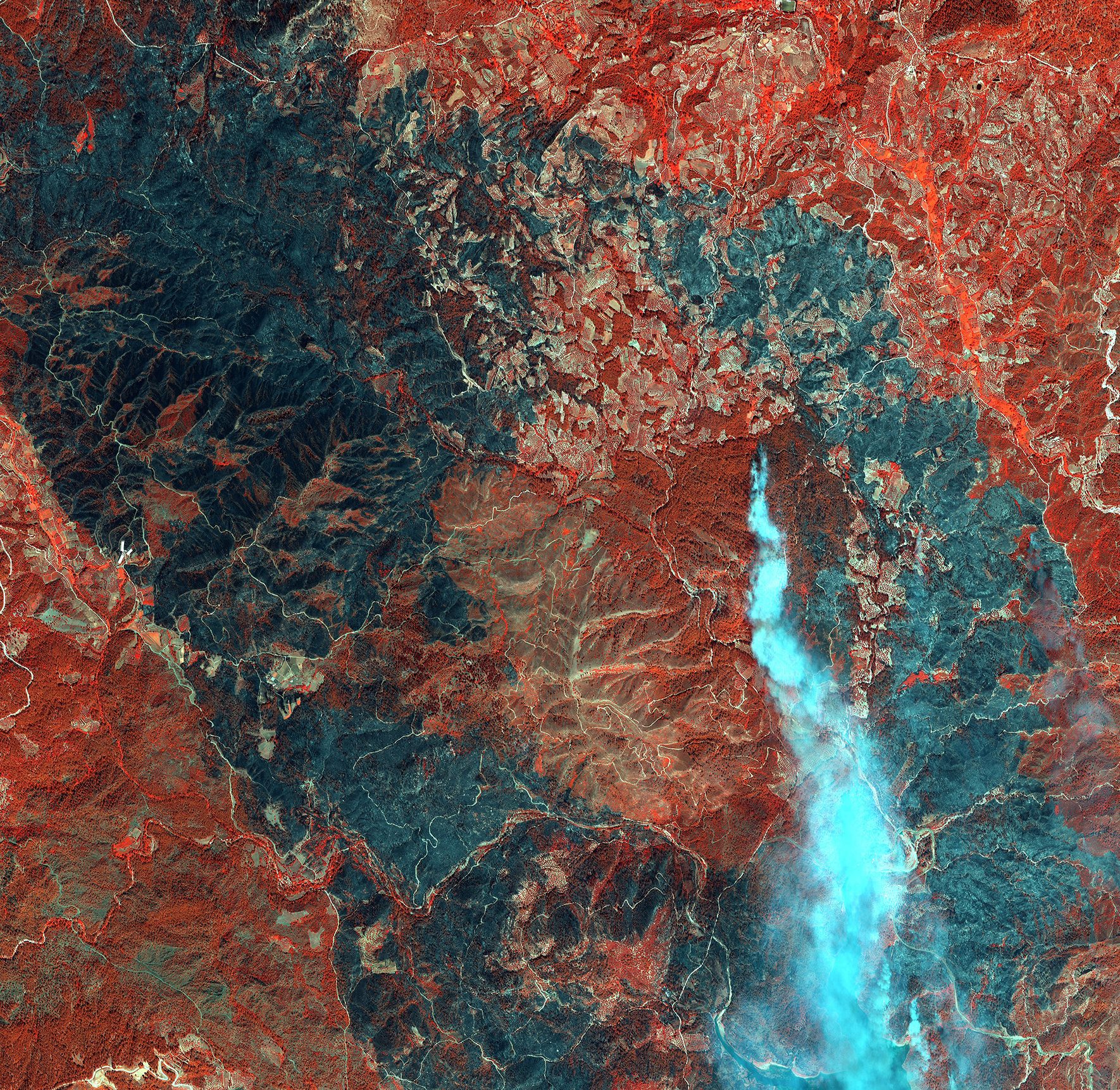
The catastrophic fires in #Rhodes are clearly visible from space here, as #MTGI1 observed their resulting large smoke plumes on Saturday.
Please note: this is preliminary commissioning data. pic.twitter.com/fY9aJAiWUq
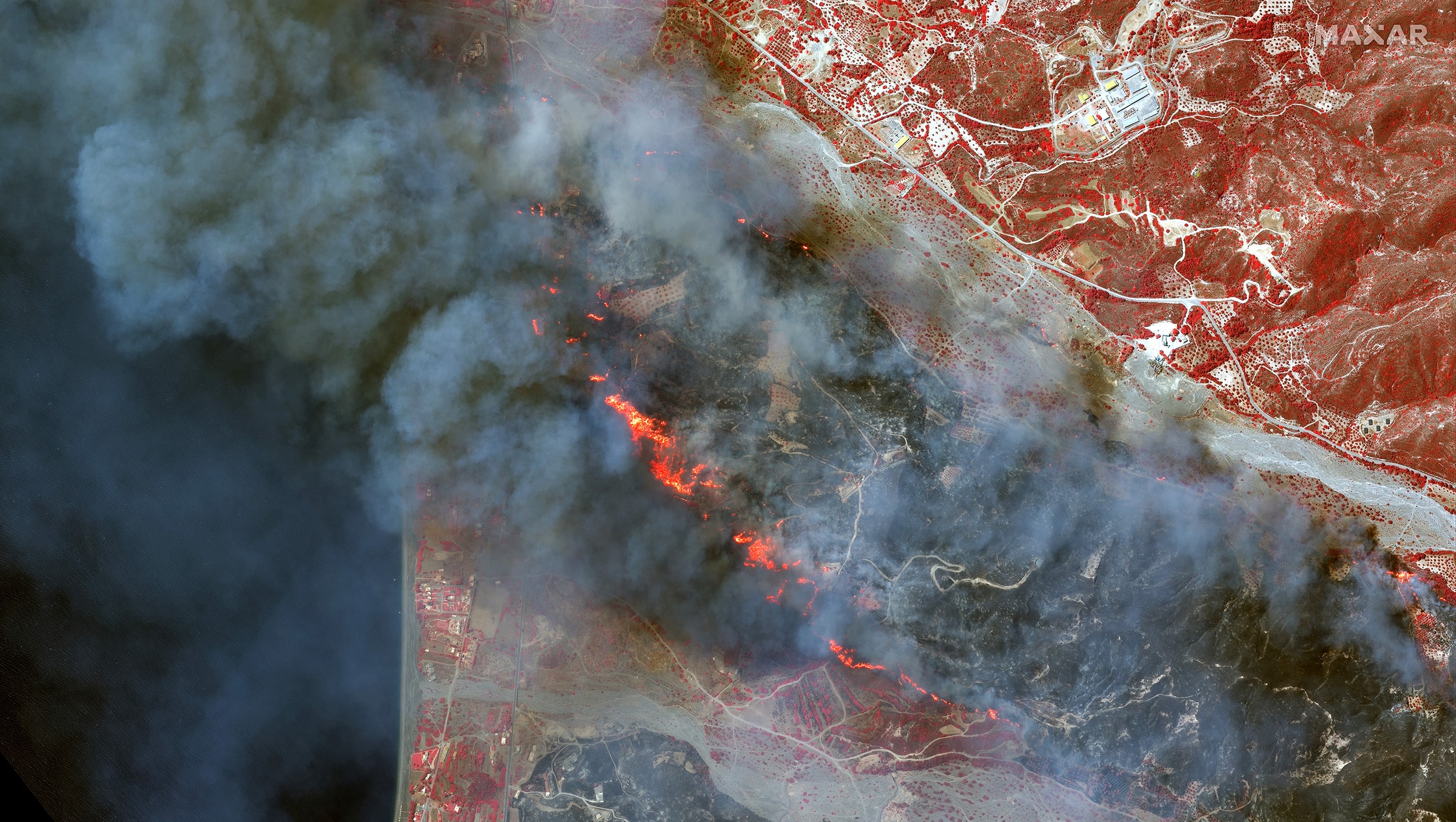
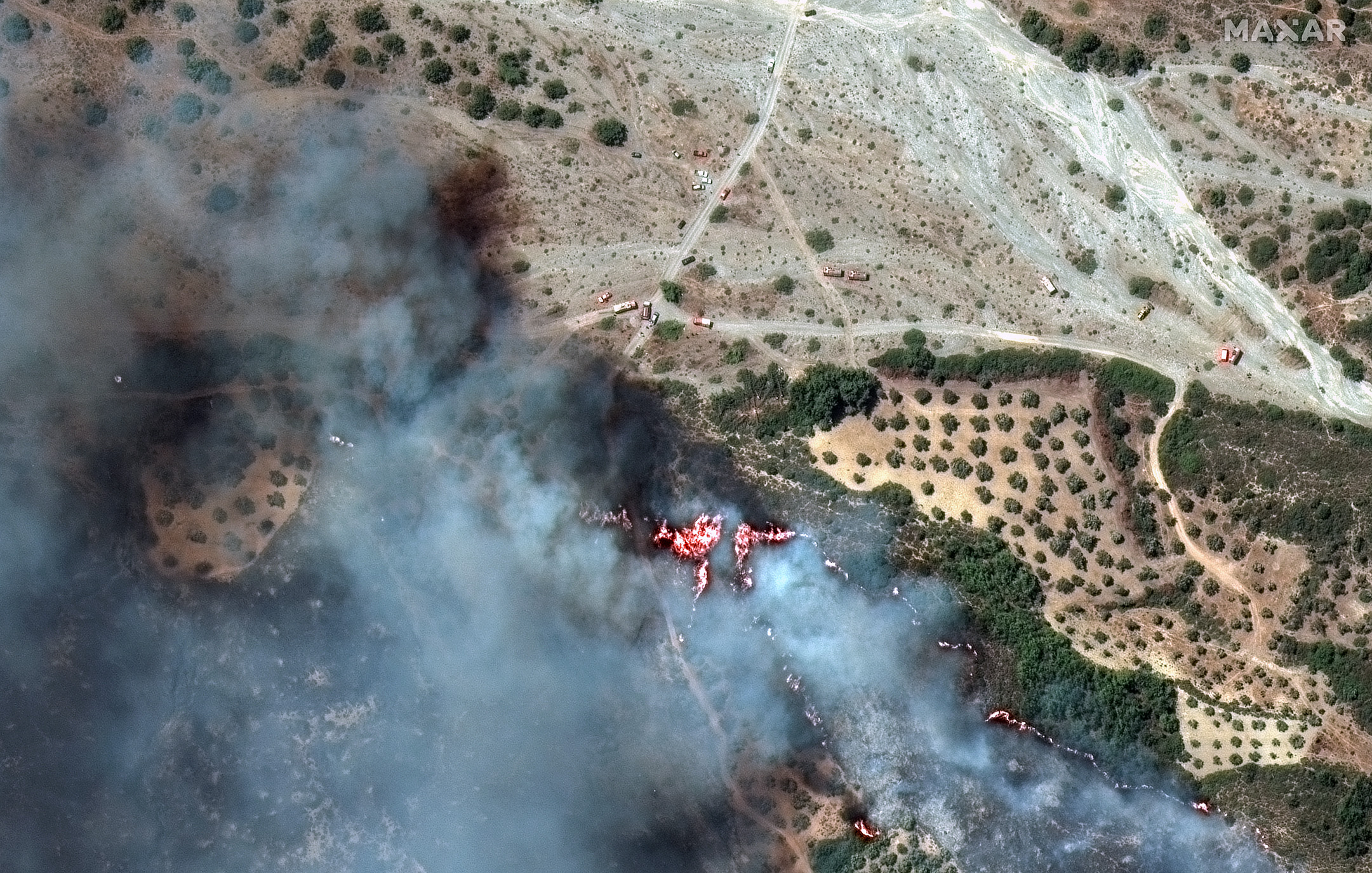
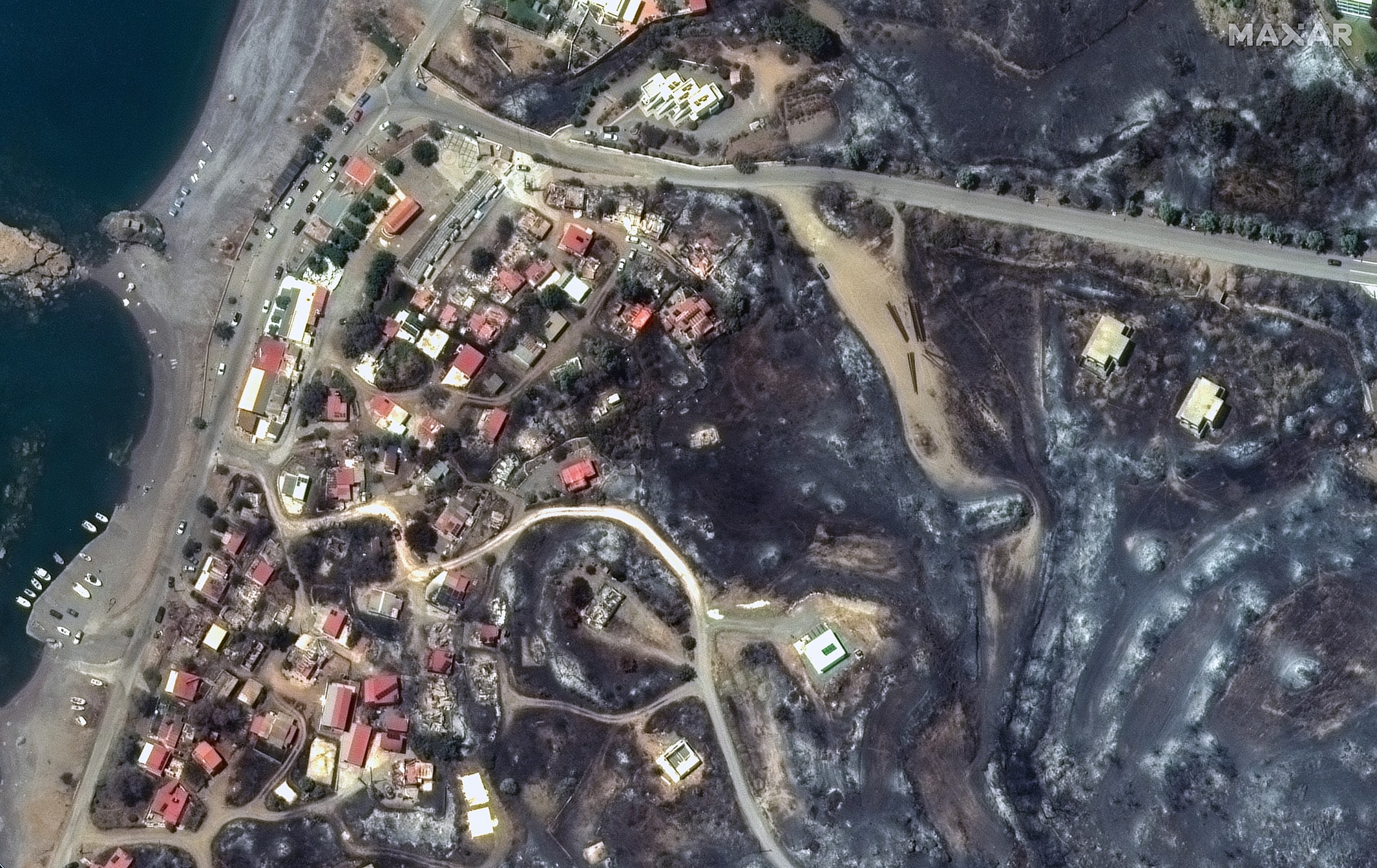
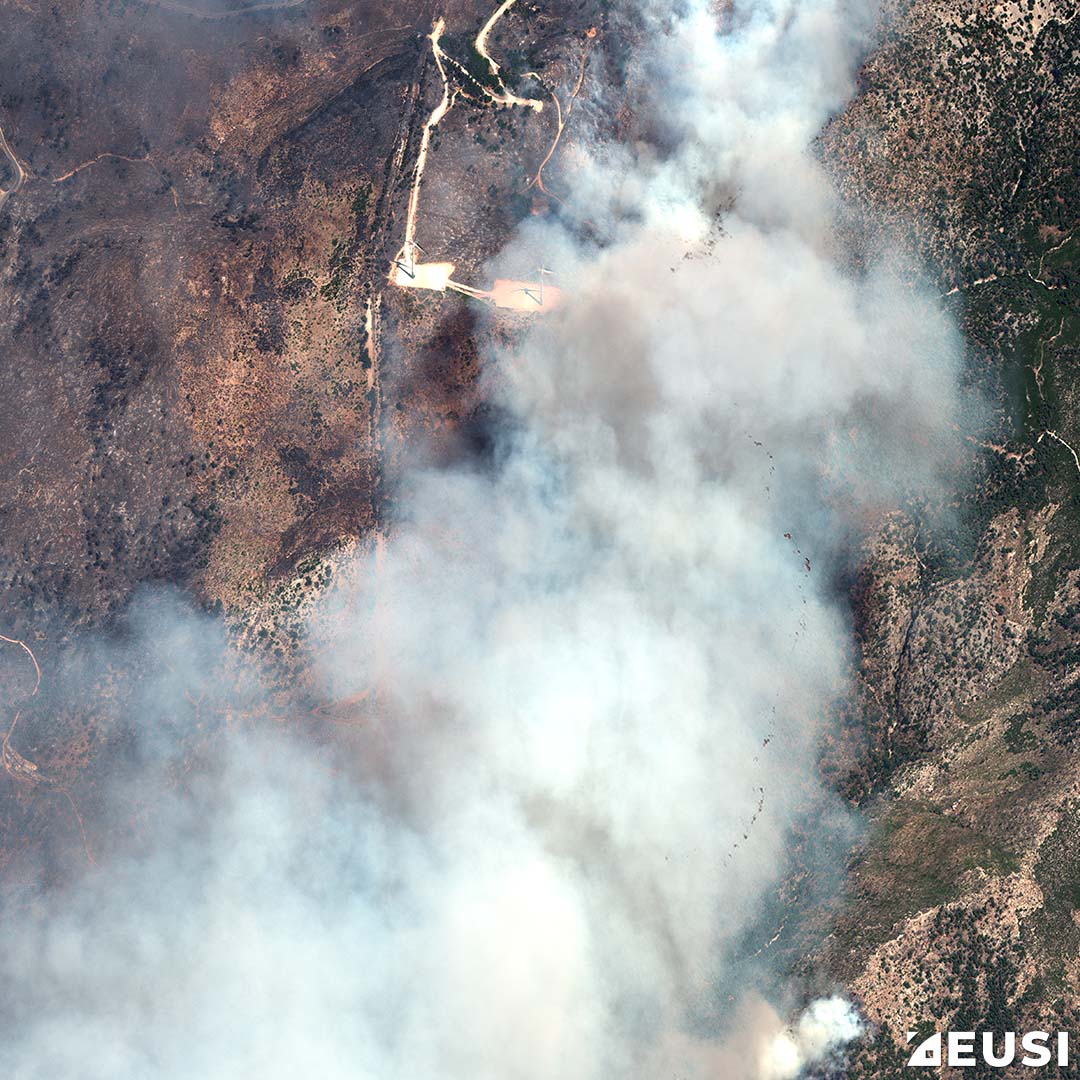
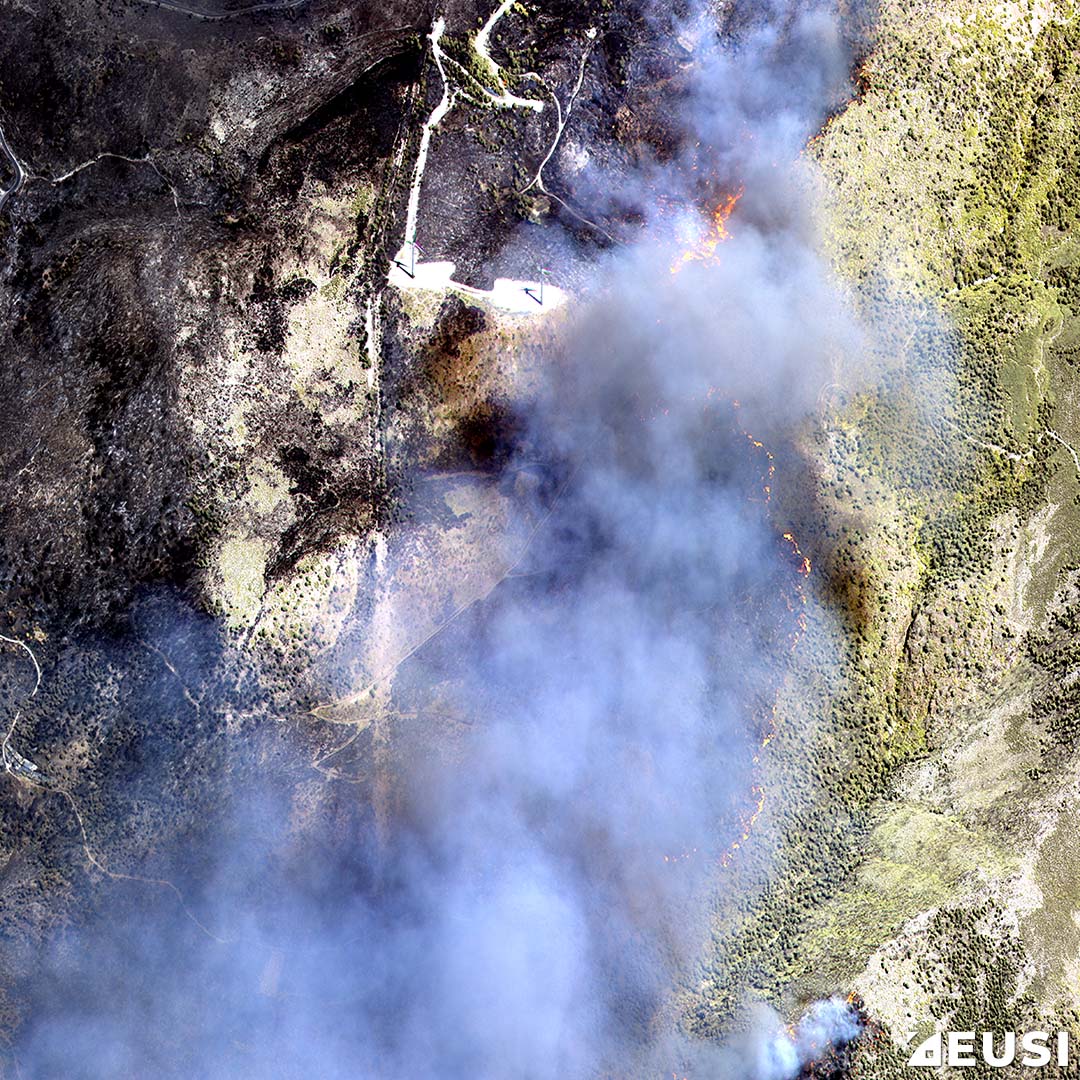
Maxar Technologies has shared satellite images of the wildfires burning across the island of Rhodes, Greece. These satellite images reveal that the most active fires are located along the southeastern coast of the island, near the town of Gennadi.
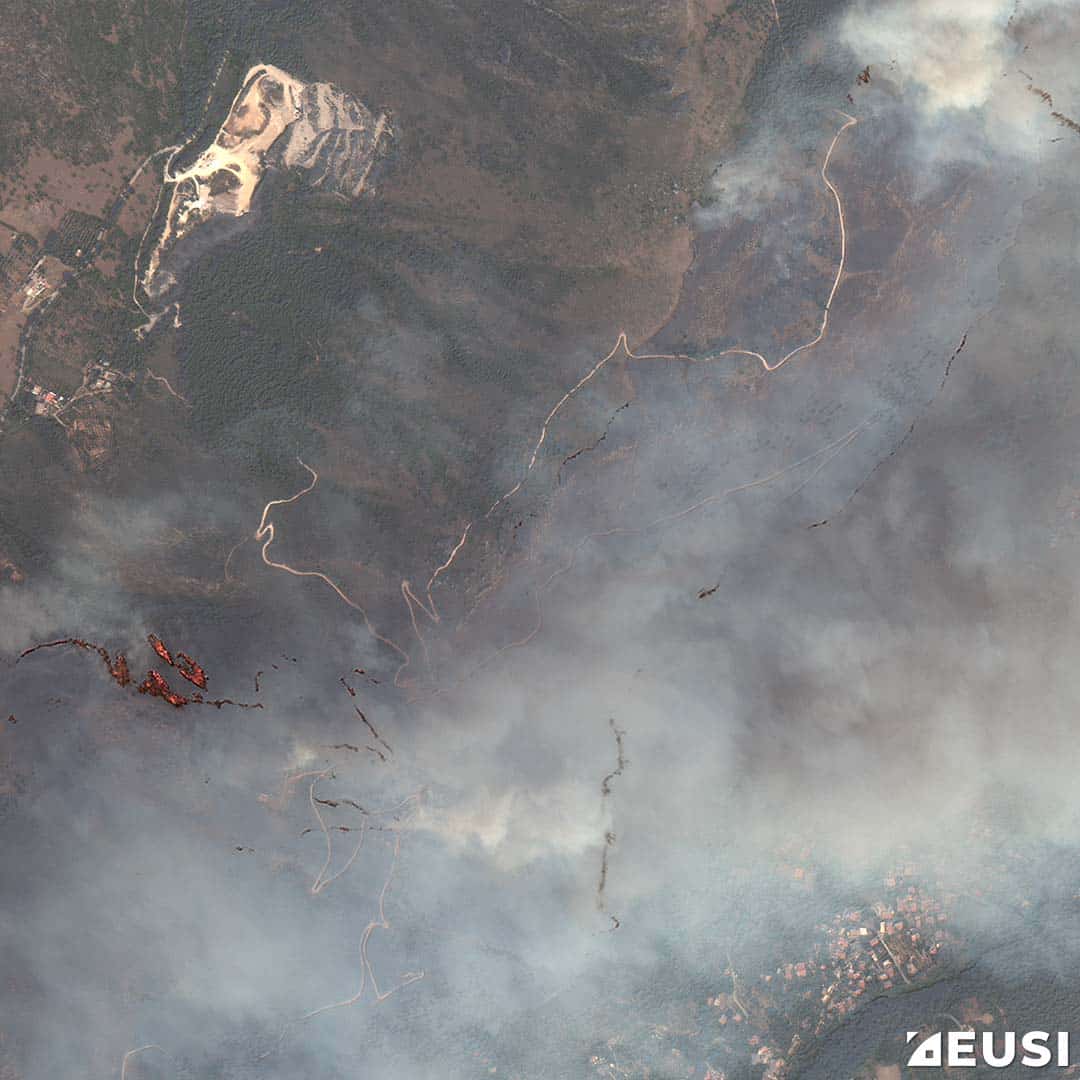
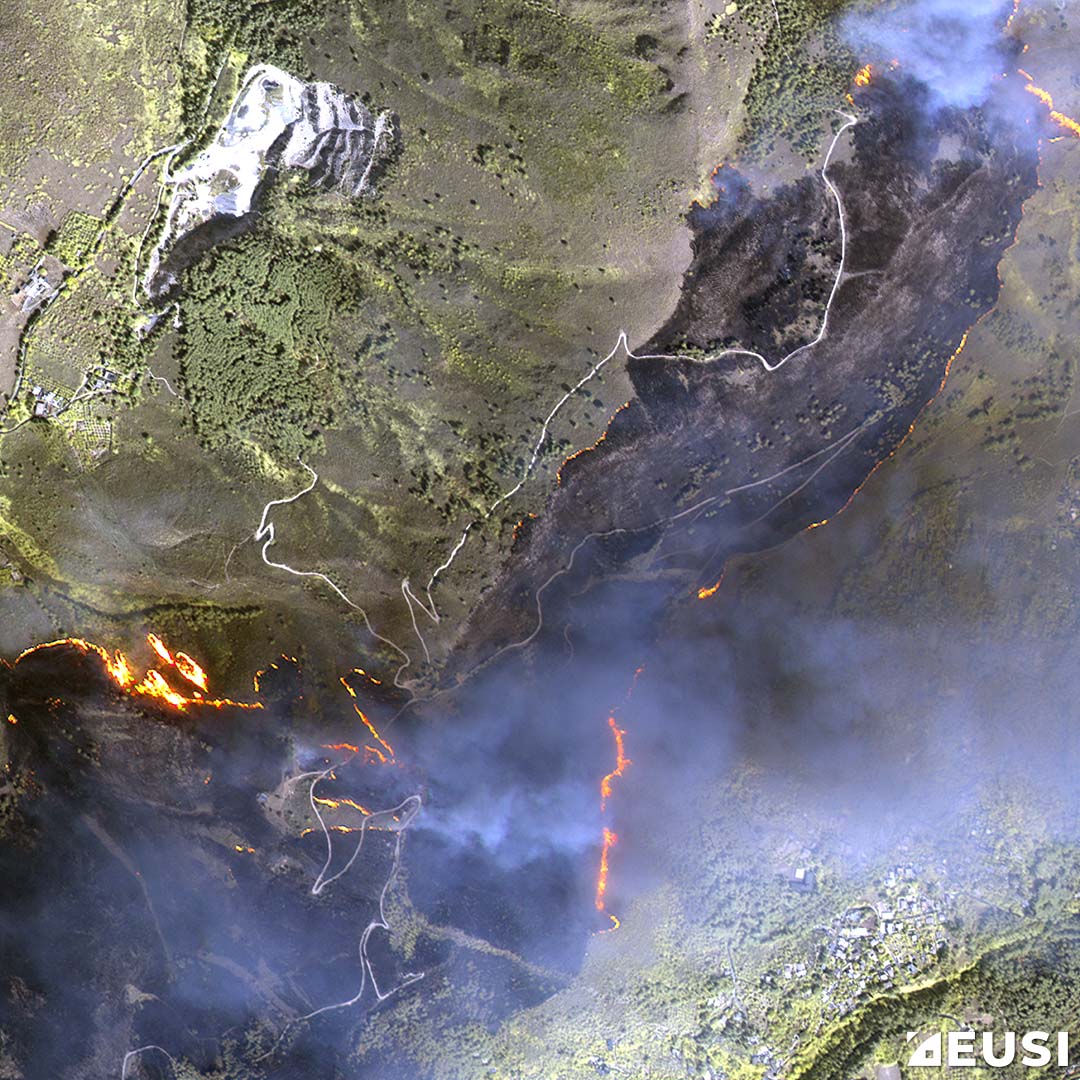
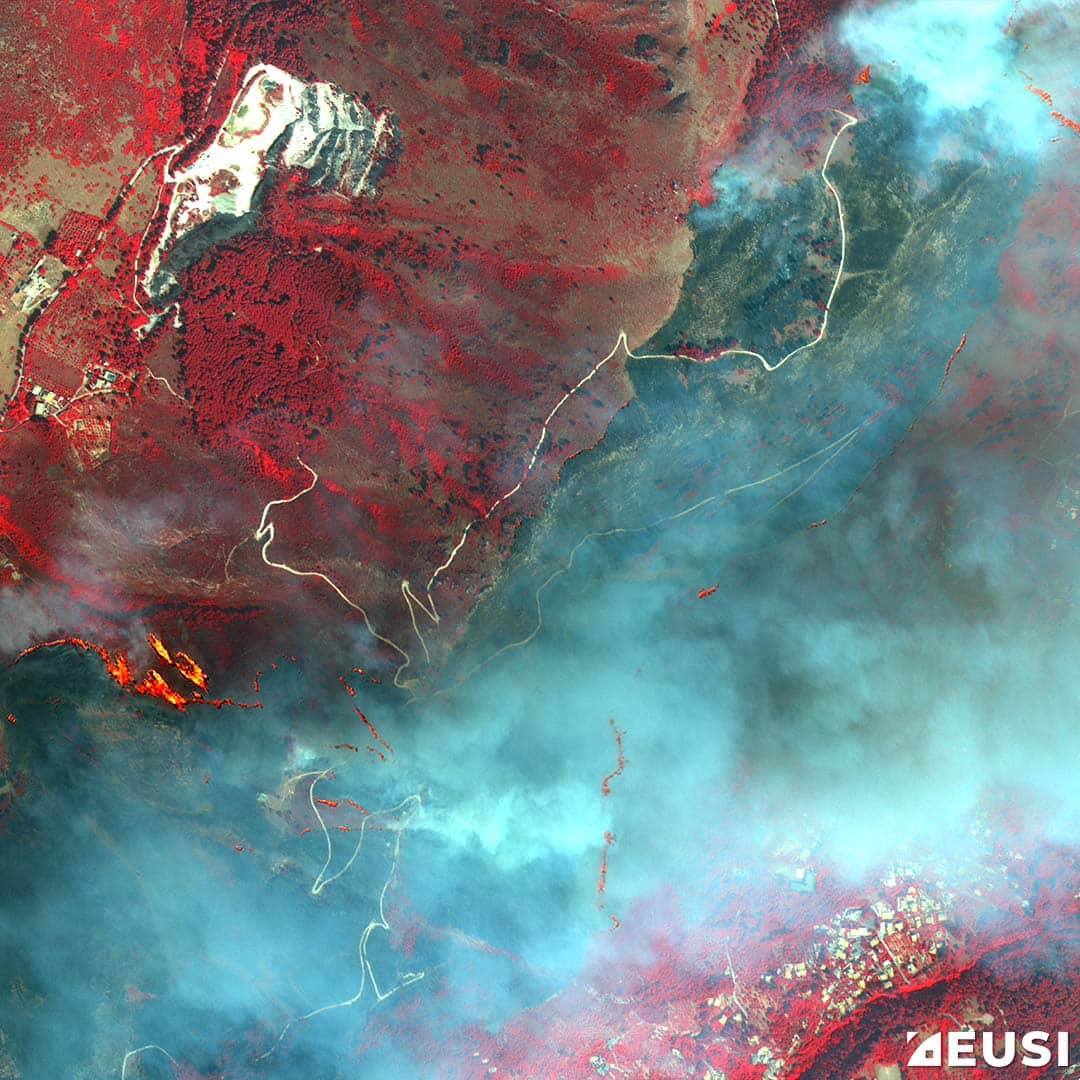
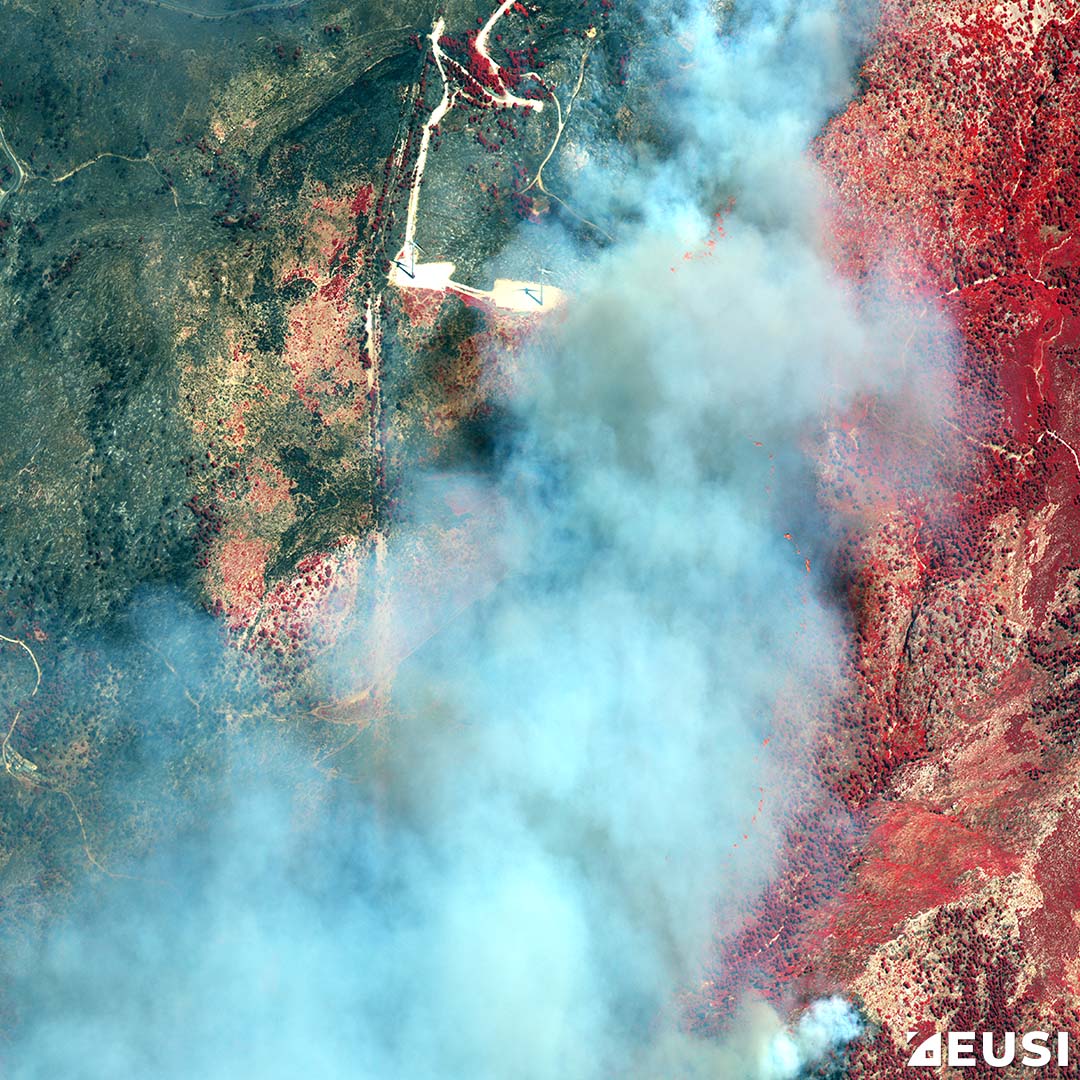
Satellite Imagery of 5 Mediterranean Fires
Here are the images (Healthy vegetation are shown in shades of red and burned areas in black/grey):